South Africa’s creator economy is moving beyond visibility, personality and social reach. It is increasingly becoming a commercial ecosystem, shaped by connectivity, brand investment, content entrepreneurship and the ability of digital creators to influence how consumers engage with culture, products and public conversations.
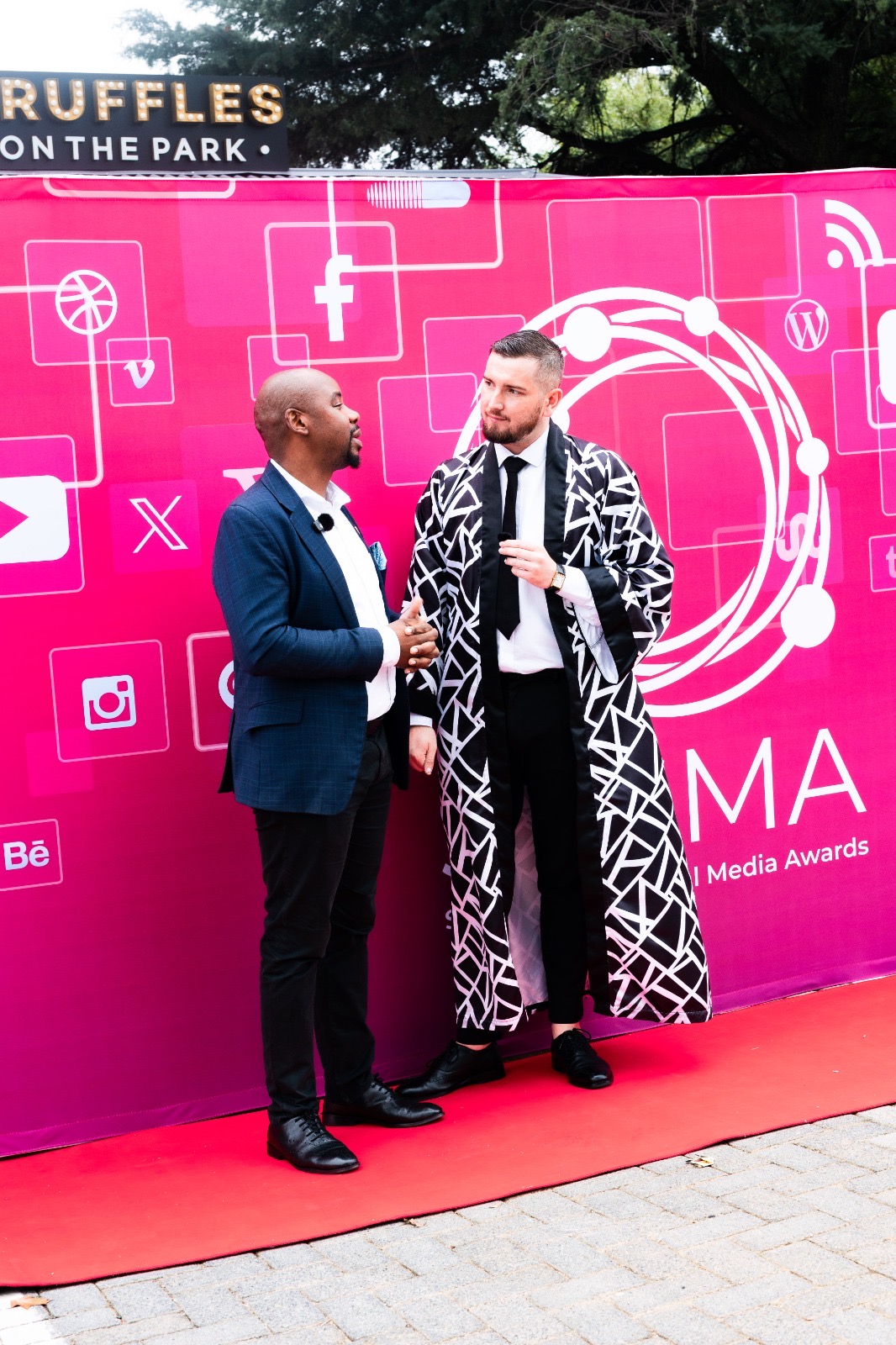
That shift was evident at the launch of Openserve SASMA 2026, held at Truffles on the Park in Sandton, Johannesburg, where the South African Social Media Awards unveiled Openserve as its headline sponsor and naming-rights partner for the 2026 edition.
 The partnership marks an important milestone for SASMA, which is entering its sixth year and will now be presented as OpenserveSASMA 2026. It also reflects a broader trend in the market: major brands are beginning to treat the creator economy not as a side channel, but as part of the country’s evolving digital and commercial infrastructure.
The launch moved SASMA from last year’s theme, “Kings & Queens of Mzansi,” to this year’s “Culture in Motion.” It was a fitting transition for a platform that has grown alongside South Africa’s digital culture and now finds itself operating in a more mature, more competitive and more commercially relevant space.
For Openserve, the association is strategically aligned. Connectivity sits at the base of almost every part of the modern digital economy, from content creation and e-commerce to online education, digital payments, cloud services and remote work. The creator economy is no exception. Influencers and digital storytellers rely on infrastructure that allows them to produce, publish, distribute and monetise content at scale.
That makes a platform such as SASMA more than an awards property. It becomes a point of access into a growing market of young entrepreneurs, creative professionals, brand communities and audiences who are shaping consumer behaviour in real time.
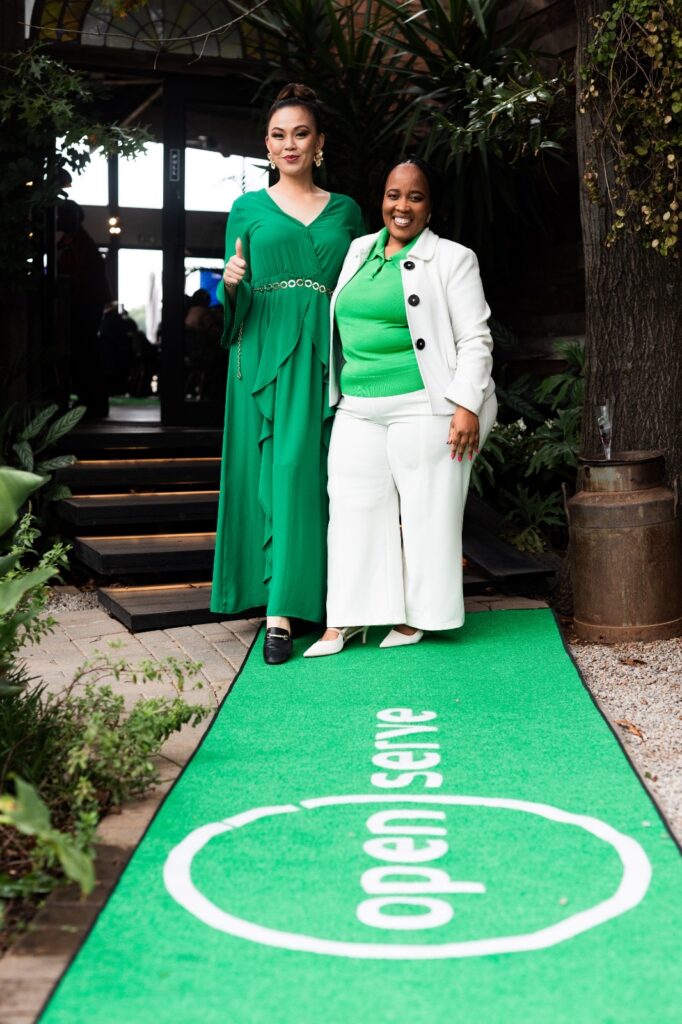
The launch reflected that broader positioning. The #OpenserveSASMA green carpet experience, inspired by Openserve’s corporate identity, was designed less as a conventional arrival moment and more as a live content environment. Guests were met with 360-degree video activations, brand-led experiences, digital capture points and creator-driven engagement. In practical terms, it showed how events are increasingly being built for both the room and the feed.
This matters because the economics of influence are changing. Where social media was once largely seen as a publicity tool, it has become a measurable business channel. Brands are looking for credible ways to reach communities, creators are building businesses around their platforms, and awards properties such as SASMA are becoming useful meeting points between culture and commerce.
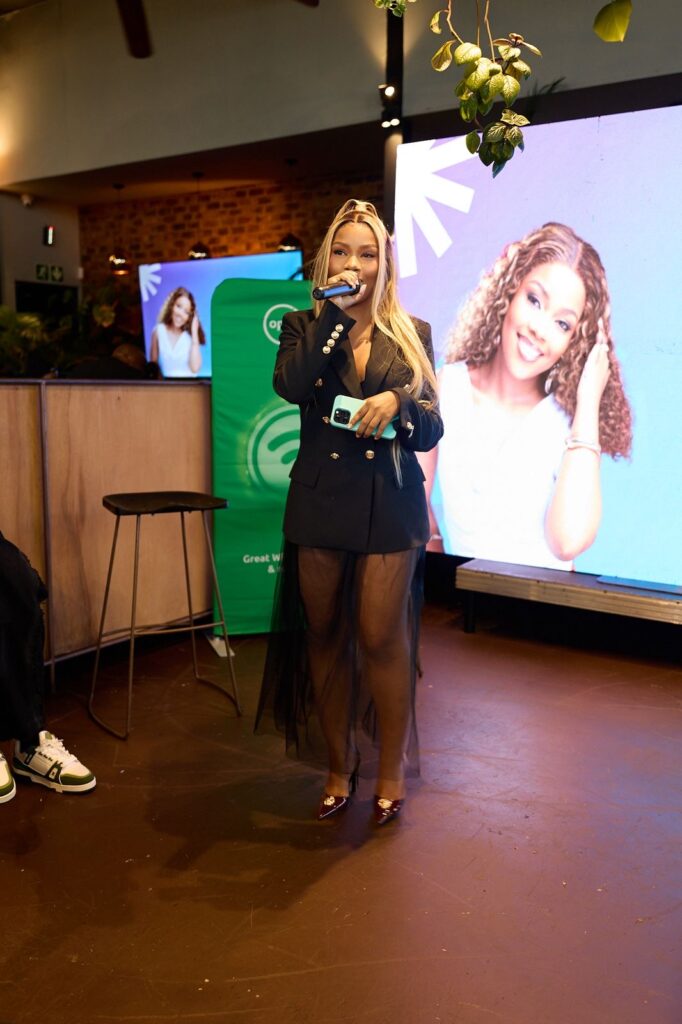
The event brought together a mix of private sector brands, media, creators, public sector voices and entertainment figures. Among the notable personalities in attendance was Liyema Pantsi, a Big Brother winner and previous SASMA winner, whose participation on the panel reflected the growing crossover between entertainment, influence and entrepreneurship.
 There was also a clear local economic development thread running through the programme. Eustace Mashimbye, CEO of Proudly South African, delivered a keynote address focused on the importance of supporting local talent, strengthening the creative economy and recognising platforms that contribute to national development.
That message is important in the current economic climate. South Africa continues to face high youth unemployment, pressure on small businesses and uneven access to opportunity. The creator economy will not solve these structural issues on its own, but it does offer one of the more accessible entry points for young people to build visibility, skills, income streams and commercial networks.
It also gives brands a different route into youth markets. Traditional advertising still has its place, but influence-led communication often carries a level of immediacy and cultural fluency that formal campaigns struggle to replicate. The challenge for brands is to enter the space with credibility, not just budget.
SASMA’s growing partner ecosystem points to that opportunity. Alongside Openserve, the launch featured participation from brands and partners including Revoo, Afruikigai, Celebrity Drive South Africa and AI Impact. Each brought a different layer to the platform, from mobility and lifestyle to technology, media and digital storytelling.
The inclusion of Afruikigai, represented by Nondumiso Mhlongo “AI Queen”, also introduced an important technology dimension. As artificial intelligence and cloud-based tools become more accessible, creators are beginning to use technology in areas such as campaign planning, audience insights, editing, language translation and content production. This is likely to shape the next phase of the sector, where influence will be judged not only by popularity, but by innovation, professionalism and commercial sustainability.
Celebrity Drive South Africa, represented by co-founders Wendy Mosetlhi and Sipho CGA Masebe, participated as an official partner of the event, adding a lifestyle and entertainment layer to the platform. AI Impact, a digital publication focused on artificial intelligence, innovation and technology, has also come on board as an official media partner for SASMA 2026, with a role in providing editorial coverage and digital storytelling support throughout the year.
For SASMA Founder Director Mr Unathi Mkiva, the platform’s origins remain rooted in the lockdown period, when creators became a source of connection, entertainment and hope for many South Africans. That origin story still matters, but the platform now appears to be entering a more commercially mature phase.
The launch of OpenserveSASMA 2026 suggests that the creator economy is no longer sitting on the margins of business conversation. It is becoming part of how brands think about market access, cultural relevance, youth engagement and digital growth.
The test for SASMA will be whether it can convert the energy of its launch into a credible year-long platform that delivers value for creators, partners and audiences. If it succeeds, it will not only celebrate South Africa’s digital talent. It could also help shape how the business community understands, supports and invests in the country’s next generation of creative entrepreneurs.