Jan Hendrik is a Boerboel of some 96 kilograms. He is slightly overweight and strictly speaking, not permitted in the Kalahari Transfrontier National Park. The regulations on this point are not ambiguous. Jan Hendrik has, however, been there four times in 2025, as Frikkie Basson, his proud owner holds what can only be described as a dog dispensation. The precise terms Frikkie and I have agreed not to disclose in print.
What I will say is that a letter was written and the park people responded with unusual generosity. More than the letter perhaps deserved. Jan Hendrik is now a bona fide, documented exception to the park rules. Lucky hound. He is indifferent to the entire affair, which is consistent with how he handles most of his adventures. Except his daily dose of ostrich biltong.
We were on a dune road near Mata Mata, on a blue sky Kalahari morning, purring along in Frikkie’s 2025 Discovery 5, Jan Hendrik leaning on the armrest, me in the backseat with my camera and coffee in a well used Stanley flask. Life was lekka. It got better. A martial eagle appeared. It was circling with something substantial in its claws. Martial eagles often hunt by dropping prey from high onto hard ground to finish the job. The aeronautical equivalent of outsourcing the difficult part. Like insurance to a proper risk advisor. This one dropped a baby springbok. It landed neatly on the Discovery’s windscreen with a thud that announced immediate death and financial consequences. Not a scene for sensitive viewers.
Frikkie sat very still. Jan Hendrik had a pre bowel movement. Then whimpered nervously.
“Did you get the shot?” Frikkie whispered. His camera was on the passenger seat. Lens cap on. Jan Hendrik looked at the windscreen, then at Frikkie, then back at the windscreen, with the expression of a dog who wanted answers. The crack spread from the point of impact outwards in three directions, settling in for the long term.
Everything was not entirely lekka. We did, however, have the martial eagle right next to us for a hour, feeding on the poor baby springbok. We also had a hectic road block stretching back to camp.
Frikkie called “Sharp Sharp Insurance” from the camp that evening. He told me, across an unforgettable Kalahari fire, underpinned by proper Namibian braai hardwood, that he had found the marketing very sharp when he first signed up.
He looked into the impressive flames for a long time and then said, “Can’t believe I fell for that Sharp Sharp line.”
Jan Hendrik shifted uncomfortably on his blanket. And launched another pre bowel movement. More telling than the first.
I said nothing. Since at that point there was nothing funny or useful to say. Except maybe it could have been worse. We were in the Kalahari after all. The claim had not been lodged. Sharp Sharp had not yet had the opportunity to reveal their true colours. Paintings take time. The true nature of a company invariably reveals itself at claim stage. Not at sales or marketing stage, which is a point the industry understands and the public discovers in the bad moments. Usually the expensive ones.
The assessor arrived at Frikkie’s house in Cape Town eight days later. Photographed the windscreen. Noted the odometer. Scribbled something down with no visible reaction. Said the Sharp Sharp approved fitment centre would be in contact.
They were.
Windscreen replacement. Non Original Equipment Manufacturer (OEM) Certified Aftermarket Part. R5,101.
Frikkie called the fitment centre. He asked about recalibration. The 2025 Discovery 5 has a Lane Keeping Assist camera mounted in the windscreen, along with forward collision sensors that make the key decisions, while Jan Hendrik cerebrally watches for falling baby springboks and the like. Their calibration is specific to the OEM glass. A non OEM windscreen from a non approved centre, means no manufacturer spec recalibration, which means a camera looking through the wrong glass at a road it is no longer correctly calibrated to read. Slightly under the influence you might say. The fitment centre said they should be able to calibrate it. “No problem boet, we call it generic calibration” they said. “Close enough,” they muttered after an uncomfortable pause. Not a dicky bird, thought Frikkie. A R2m piece of British state of the art engineering, with a no name windscreen, made in China. Nee wat. Jan Hendrik growled.
Frikkie manned up and said he wanted an OEM windscreen. The OEM windscreen was R34,498. The Randela difference was not a packet of chips.
Sharp Sharp said no. Sharply.
Frikkie raised the calibration argument. They counter argued that Certified Aftermarket Parts (CAP) are standard practice on out of warranty vehicles. And endorsed by the National Financial Ombud, nogal. Apparently a legitimate cost management approach. The savings were supposed to be passed to consumers in the form of reduced premiums. The principle sounds fair, except Frikkie’s premiums had just increased?
What Frikkie required was a safety argument that he needed the OEM windscreen. But he was on his own. Just like he was on his own and fully sharp when he made his “direct” and instant insurance decision. As a risk advisor, I never remind him of that. We are friends of the Kalahari.
Sharp Sharp stressed the odometer reading of 106,973 kilometres. The diagnostics said the odometer read 100,005 kilometres at the moment poor Bambi landed. The manufacturer’s warranty expired at 100,000 kilometres. Frikkie had driven five kilometres further than a man with a cracked windscreen and a Boerboel needed to have driven. Eish.
Sharp Sharp had Frikkie in a tight grip, bound by a wording he thought he understood. In a wordy legal letter, they came in for the kill, with a bone crunching jab Frikkie never saw coming. A policy condition that Non OEM parts may be used for vehicles outside the manufacturer’s warranty, providing like for like quality is maintained. They used the word “maintained” with some confidence. They approved the R5,101 fitment. File closed. Klaar gelag.
Jan Hendrik howled like a possessed jackal.
Frikkie called me. It was late. Jan Hendrik was snoring loudly. No flatulence fortunately.
They had lost. To be fair, it was always an unfair contest. A light weight, shadow boxing against a heavy weight.
The like for like argument, for an out of warranty vehicle, has strict legal foundations. The Ombudsman has repeatedly upheld insurer decisions to use CAP parts outside the warranty, provided the parts do not compromise the vehicle’s safety. Sharp Sharp would say the CAP windscreen meets that standard. Five kilometres, is five kilometres. And a policy condition is a policy condition.
Five kilometres? Come on man. Throw a Boerboel a bone.
What intrigues me is why people go “direct”. A risk advisor costs the client nothing. The insurer pays them from the premium. Usually, you get a much better product and a real understanding of the policy. Before the claim. Not afterwards on a Kalahari dune road with a cracked windscreen and an upset Boerboel. Plus, you get professional help during the claim. Frikkie paid R999 a month for a catchy, shiny tagline and a direct line, to a direct insurer’s call centre. For R1,055 he could have had personalized caring service, proper advice and stronger cover. He saved R56 a month and now owned every bit of this headache. He chose the billboard. Good marketing pays. But not you at claim time. I have stopped trying to explain this. Especially to Frikkie.
There is a huge billboard on the N1 near Paarl. Sharp Sharp Insurance. And in impressive large, shiny font, “Claims Paid Sharply”. Jan Hendrik howls uncontrollably whenever Frikkie drives past there on his way to the Hex River Valley.
Throw Jan Hendrik a bone is what I said to Frikkie. Maybe some ostrich biltong too.
Frikkie turned to me and asked dryly, “Can you please find me an insurer who pays claims without the sharpness?”
The bone cracked this time. Not the windscreen.
Disclaimer: This article is for general informational purposes and does not constitute insurance, financial or legal advice. The scenario is fictional and used to illustrate real insurance principles and common industry practices. It does not refer to any specific insurer or claim.
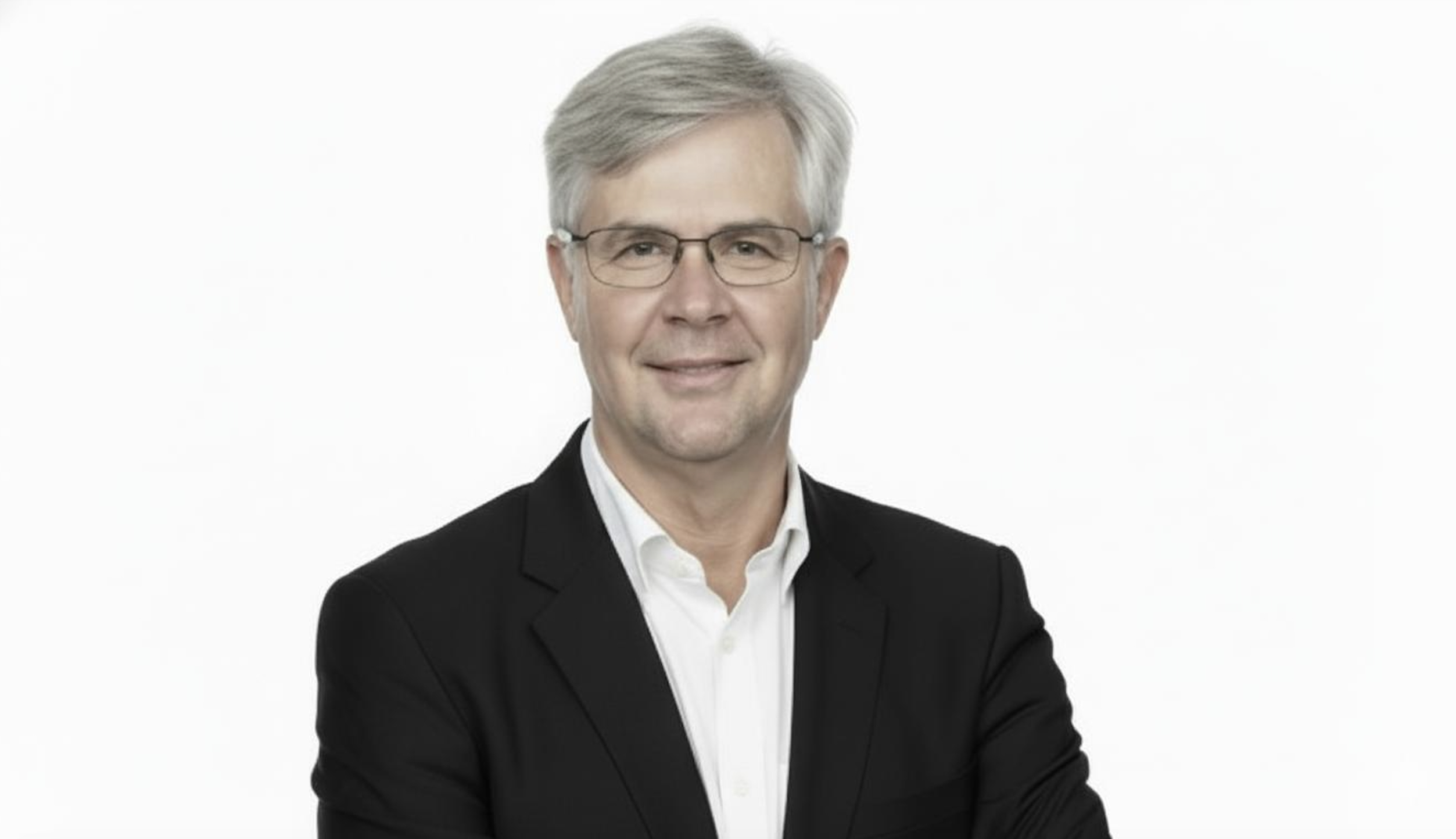
About The Author: Tim Chadwick is the CEO of Chadwicks. He advises businesses and individuals on risk and insurance. He also writes on the psychology of risk.