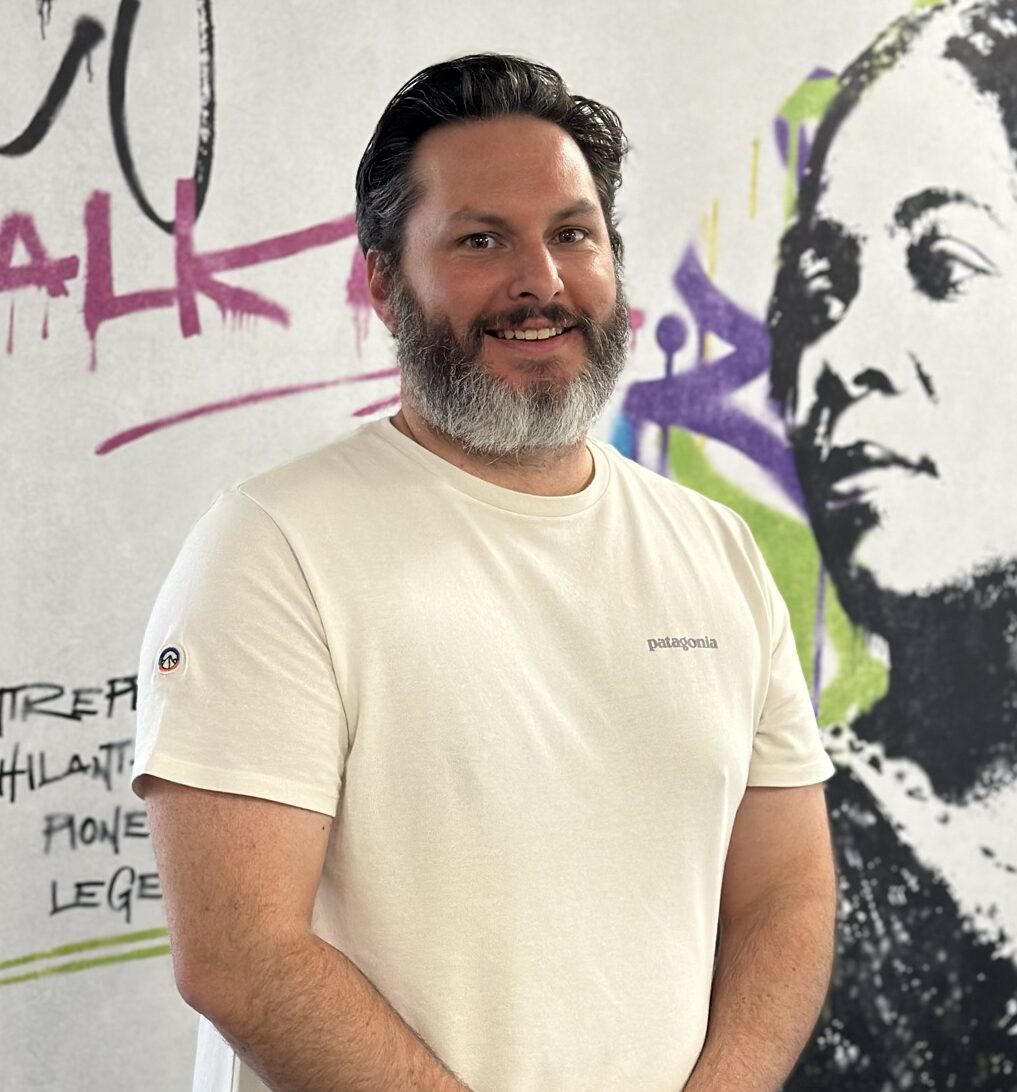
Obesity contributes to conditions such as type 2 diabetes, cardiovascular disease, sleep apnea, and certain cancers, and is associated with over 200 health complications, costing South Africa an estimated R33 billion annually. “Nearly half of South African adults are overweight or obese. To curb this ‘pandemic’, we need an affordable, effective medical and lifestyle intervention,” says Shaun Barns, co-founder and CEO of Obiflex, a doctor-led health management programme that allows companies to fund GLP-1 treatment in full or in part through payroll.
The figure above does not account for productivity losses from absenteeism: Research across 26 European countries, presented at the European Congress on Obesity, found that employees living with obesity were up to 2.2 times more likely to be off sick for more than a week than healthy-weight colleagues.
And a survey of 600 adults living with obesity across six countries, published in Obesity Science & Practice, found that 59% of those employed said their weight had a negative impact on their work, and 46% said it limited their career prospects. “It is time to stop treating wellbeing as a cost and start measuring its return, which includes healthier employees, fewer sick days and a more productive workforce,” says Barns.
Dr Shay Ganesh, Head of Innovation at Medihelp Medical Scheme, adds, “Traditional workplace wellness programmes focus on screenings for early detection and struggle to turn participation into health outcomes. Medically supervised GLP-1 treatment can change that. Many employers know that some of their people are already buying these medicines through unregulated channels. A safe, legitimate, and subsidised route is better for everyone.”
In South Africa, registered GLP-1 weight-loss medicines typically cost between R3 000 and R6 000 a month, excluding consultations. Most medical schemes contribute only around 50% for diabetic members, making these medications out of reach for most employees.
“But SA’s employers are beginning to cover or subsidise the cost for their staff, treating these medicines as an investment in employee productivity in line with international practice,” says Barns. Bank of America, for instance, spends about $250 million a year on GLP-1 cover for over 200 000 employees.
Medihelp, one of South Africa’s largest open medical schemes, will now fully subsidise eligible staff for three months, with a new group joining as each completes the programme. Medihelp CEO and principal officer, Varsha Vala, says, “We are concerned about staff going on illicit treatments instead of those approved by SAHPRA, and the data shows that staff in better health are more productive. We believe that this is a particularly valuable investment in our staff. We are exploring deeper partnerships with Obiflex to amplify our Return on Health proposition in the corporate space.”
Grovest, which offers alternative investments, is subsidising the cost for its own staff. Several large financial services organisations are also currently investigating the programme for their employees.
Here is how it works in practice. On the three-month plan, an employee would normally pay R1,499 a month over five months, R7,495 in total.
On the six-month plan, a company covering R300 of each R1,999 instalment leaves the employee about R1,699 a month. Where an employer covers the full cost, as Medihelp does, the employee pays nothing.
Obiflex handles consent, onboarding, and the programme itself; the employer supplies only the payroll deduction file. A company might, for instance, fund 20 employees at a time in part or in full, with a new group starting as the first finishes so there is a clear and understandable use of a wellness budget.
Staff choose between the two buy-now, pay-later plans. Both include a virtual doctor consultation, a health coach with unlimited WhatsApp chat, free delivery, and weekly wellness content. There is no interest charged, just predictable monthly payments.
Employers see only group results, such as changes in weight, blood sugar, and blood pressure, not individual health information, and participation is voluntary.
Says Barns, “For employers, subsidising access to GLP-1 treatment is a move beyond box-ticking wellness activities and instead invests in health outcomes, with the potential to improve employees’ energy, focus, and capacity to perform at work. Progress is assessed through relevant health indicators. Over time, progress is also assessed through improved productivity.”
Obiflex pairs low-dose, registered GLP-1 treatment with doctor oversight and coaching, targeting up to 10% body-weight loss over six months. Its doctors have been trained by co-founder and cardiologist Dr Riaz Motara.
Obiflex will host a Wellness Day in partnership with Medihelp for HR leaders, financial advisers, and corporate decision-makers on 13 November in Houghton, Johannesburg. It will cover topics such as the business case for GLP-1 wellness programmes and the new healthcare operating system. Find out more at https://shorturl.at/tmqs9