
As thousands of South Africans prepare to hit the road this festive season, SAMBRA (the South African Motor Body Repairers’ Association) is reminding motorists that a safe journey involves more than checking tyre pressures and filling up the fuel tank. Knowing what to do when something goes wrong – and having the right information readily available – can make a stressful situation considerably easier to manage.
Juan Hanekom, National Director of SAMBRA, says motorists should make emergency preparedness part of their pre-travel checklist, particularly when it comes to insurance information and knowing how to access assistance.
“We all hope our festive-season journeys will be trouble-free, but accidents, breakdowns and unexpected incidents can happen, even to the most careful drivers. The important thing is to be prepared. When you are standing on the side of a busy road or dealing with the aftermath of an accident, the last thing you want is to be searching through emails or trying to find an emergency number,” says Hanekom.
A few simple steps before you leave
SAMBRA recommends that motorists take a few minutes to get their emergency information in order before setting off:
- Save your insurer’s emergency number: Add the 24-hour claims and roadside assistance numbers to your cellphone contacts. Make sure other family members travelling with you know where to find them too.
- Download your insurer’s app: Many insurers offer apps that allow policyholders to report accidents, request assistance, submit photographs, access policy information and, in some cases, initiate a claim. Familiarise yourself with the app before travelling rather than trying to work it out during an emergency.
- Understand your cover: Know what your policy provides in terms of roadside assistance, towing, accident management and emergency support. Check whether there are specific procedures you need to follow after an accident.
- Keep important information accessible: Have your policy number, vehicle registration details, driver’s licence and relevant emergency contacts readily available. It is also worth keeping a note of these details somewhere accessible if your phone battery runs flat.
- Share your travel plans: Let someone know your intended route and approximate arrival time, particularly if you are travelling long distances or through less populated areas.
If you are involved in an accident
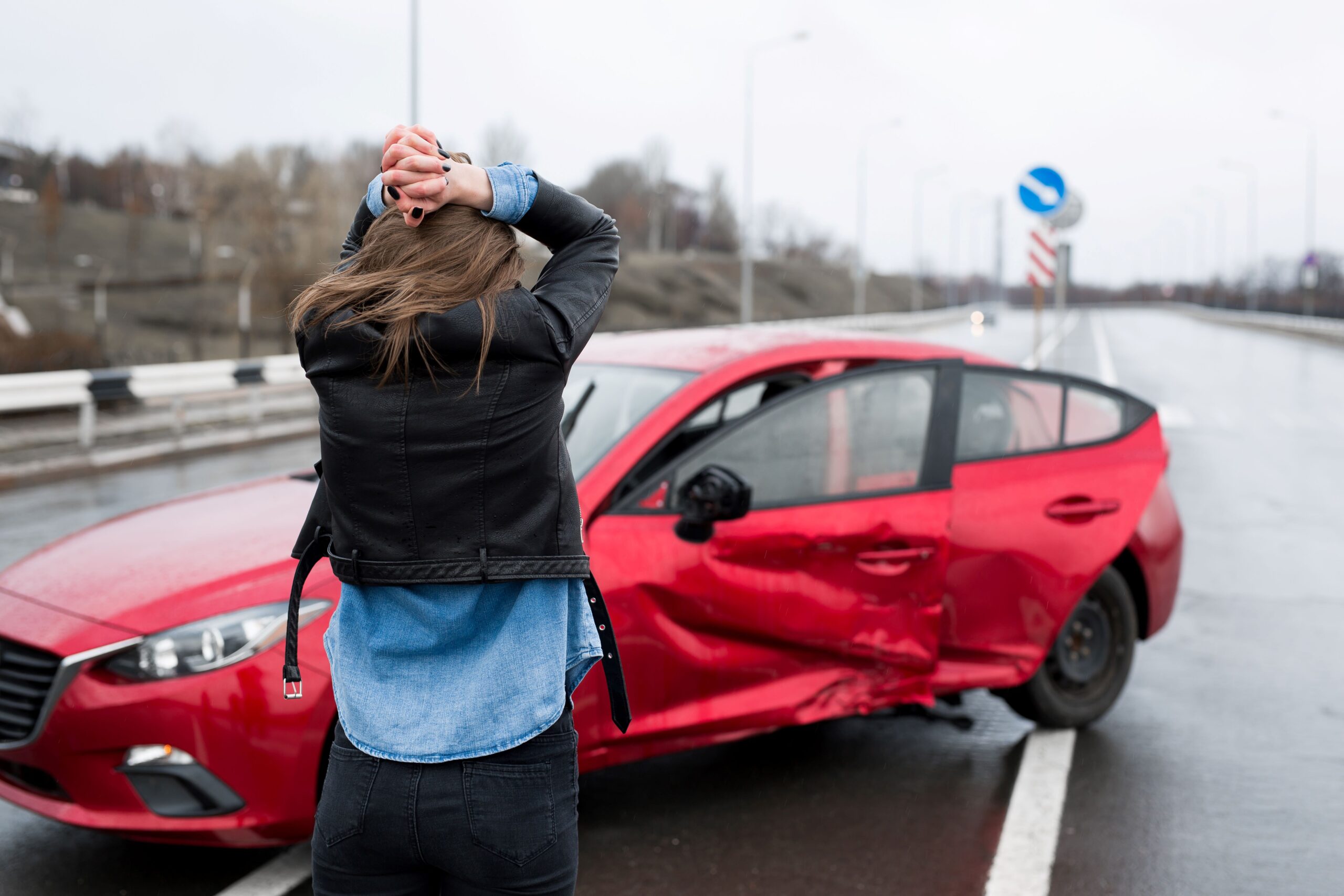
Hanekom says knowing what to do in the immediate aftermath of an accident can help protect motorists, passengers and other road users.
“First and foremost, check whether anyone is injured and call emergency services if medical assistance is needed. Move to a safe location if it is possible to do so without putting yourself or others at further risk. Switch on your hazard lights and use your emergency triangle where it is safe to do so.”
He also advises motorists to:
- Contact their insurer as soon as it is safe to do so and follow the prescribed claims process.
- Take photographs of the accident scene, vehicle damage and any relevant details, provided it is safe.
- Exchange contact, vehicle and insurance details with the other parties involved.
- Obtain the details of any witnesses.
- Avoid admitting liability or making promises about payment at the scene.
- Never agree to use an unfamiliar towing service or allow anyone to pressure you into using a particular repairer. Contact your insurer for guidance on the approved process.
Don’t forget the vehicle itself
Of course, preparation also starts with the vehicle. SAMBRA encourages motorists to arrange a pre-holiday inspection with a reputable workshop, paying particular attention to tyres, brakes, lights, wipers, battery and fluid levels. Any concerns identified should be addressed before departure.
Drivers should also plan their routes, check weather and traffic conditions, get adequate rest before travelling and take regular breaks. Fatigue, impatience and distractions can all compromise safety on busy holiday roads.
“Festive-season travel should be about enjoying time with family and friends, not dealing with avoidable problems. A little preparation can make a significant difference, both in reducing risks and in helping you respond calmly if something does happen,” Hanekom concludes.