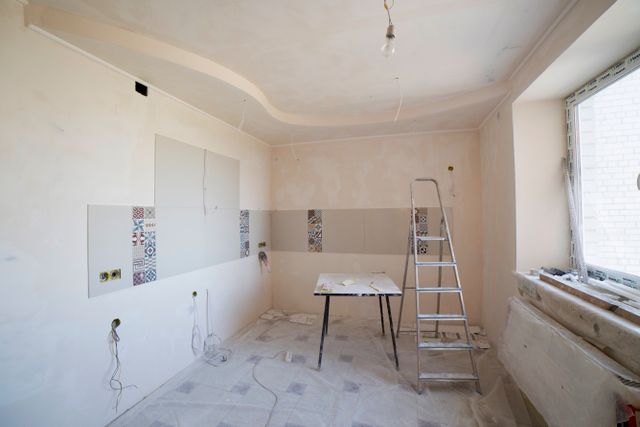
With South Africans spending around R1.5 billion a month on building alterations, according to Statistics South Africa, many homebuyers are seeing the value in purchasing fixer-uppers and modifying them to suit their needs. While these properties are often more accessible, it’s important to focus on renovations that will add long-term value to a property, says Bradd Bendall, BetterBond’s National Head of Sales.
Below is BetterBond’s return-on-investment checklist to help buyers distinguish between aesthetic upgrades and structural improvements that could boost the long-term value of their homes. “Be clear about your intentions,” advises Bendall. “Are you making changes to suit your lifestyle, accommodate a growing family or to prepare a property for selling?”
Accessible entry points
Fixer-uppers are usually listed at a lower asking price, says Bendall. “This makes it possible for more buyers, especially first-time buyers, to enter areas that would otherwise be less affordable.” A property bought below market value may increase significantly in worth if renovated appropriately, offering a strong potential return on investment.
With considered alterations, it is possible to turn a property into your dream home, says Bendall. “Small changes, such as adjusting the layout of a room or introducing energy-efficient retrofits, can make a big difference when customising a home.” Similarly, tweaks such as repairing leaks and replacing light fittings with energy-efficient alternatives can make a home feel significantly more comfortable.
Top five

Bendall says that while every property and budget is different, there are five categories of renovation that consistently stand out for the value they add – both in terms of resale appeal and day-to-day liveability.
-
Energy and water independence:
“Load shedding and water supply issues have fundamentally changed what South African buyers look for,” he says. “Solar and inverter installations, gas conversions, and water security solutions like JoJo tanks or boreholes aren’t just nice-to-haves anymore – they’re increasingly treated as essential infrastructure.” According to Energy Bee, a solar energy education and lead generation platform, solar panels typically pay for themselves within four to seven years and can deliver a 300 to 500% return on investment over their 25-year lifespan, with estate agents estimating that solar installations can boost property value by 3 to 8%.
-
Kitchen upgrades:
“The kitchen remains the heart of the home, and it’s often the room that makes or breaks a buyer’s first impression,” says Bendall. Updates to countertops, lighting and cabinetry tend to deliver strong returns without requiring a full gut renovation.
-
Bathroom renovations:
With wellness increasingly top of mind, buyers are willing to pay a premium for tranquil, contemporary bathroom spaces. “Frameless glass showers, double basins, and underfloor heating are the kinds of details that buyers now actively look for, not just appreciate as a bonus,” he notes.
-
Curb appeal and exterior refresh:
“Don’t underestimate what a fresh coat of paint, well-maintained paving, and a well-lit entrance can do,” says Bendall. “It’s often the cheapest renovation you can do relative to the impact it has on a buyer’s perception of the whole property. First impressions really do shape the rest of the viewing.” A well-tended garden or water-wise front yard adds to this effect.
-
Functional space conversions:
“One of the best questions a homeowner can ask is whether they can create more usable space within their existing footprint,” says Bendall. Converting an underused storage area, garage or spare room into a home office, extra bedroom or flexible living area is often one of the least disruptive ways to add lasting value.
Hidden costs
Structural changes can sometimes reveal underlying issues such as plumbing problems or electrical faults. “It is advisable to factor in an additional 15 to 20% contingency buffer for unforeseen costs when planning your renovation budget,” says Bendall.
Buyers should also budget for alternative accommodation if renovations require them to move out temporarily. “Construction often takes longer than expected. Delays in municipal approvals or project hold-ups can extend timelines significantly, leading to prolonged disruption and inconvenience.”
Financial risk
Bendall notes that banks may be less willing to finance homes requiring extensive alterations. While fixer-uppers are often more affordable, they may lack valid compliance certificates or require significant work to become fully liveable. As a result, banks may be reluctant to approve 100% bonds (loans requiring no deposit) on these properties.
Lifestyle or resale? Often, it’s both

Of course, the line between renovating for lifestyle and renovating for resale is often more blurred than it first appears. “In reality, the two goals tend to overlap more than people expect. A well-planned kitchen upgrade or a more functional home office isn’t just something you’ll enjoy day to day – it’s also exactly the kind of improvement that future buyers respond well to. Homeowners don’t have to choose one motivation over the other; in many cases, the changes that make a home work better for your life now are the same ones that protect or grow its value down the line.”
For homeowners planning to stay in the property for several years, Bendall says the calculation should factor in more than just the eventual resale figure. “If you’re going to be living with a renovation for the next five, ten or fifteen years, the value it adds to your everyday life is worth something too. A bigger kitchen that makes family meals easier, a garden that gives you a place to unwind or a home office that finally gives you a dedicated workspace – these all have a quality-of-life return that doesn’t show up on a balance sheet, but is very real to the people living there.”
“Despite these challenges, a fixer-upper can be a good way to gain entry into the property market, but careful budgeting and planning are essential to ensure it delivers a return on investment,” concludes Bendall. “Before making an offer, buyers should assess the true cost of renovations, prioritise improvements that add lasting value, consider how long they plan to stay in the home and ensure they have access to the right financing.”