Artificial intelligence can write, analyse information and help businesses make decisions, but getting it to work in the real world is a different challenge. For many organisations, the hard part is no longer imagining what AI could do but figuring out how to use it in ways that make a real difference.
The real test is whether businesses can move beyond experiments and make AI part of how they operate, without losing control of their data, putting security at risk or leaving employees behind. These questions shaped discussions at NTT DATA’s Imagine 2026, where business leaders and technology partners explored what it takes to turn AI plans into practical results.
Held in Johannesburg on 27 October and Cape Town on 28 October, Imagine 2026 brought together about 180 senior leaders across the two events. Under the theme Architecting AI-powered enterprises to deliver Impact, the focus was on helping businesses understand what they need to put in place before AI can deliver lasting value.
 A key part of the discussion was the gap between testing AI and using it across an organisation. During the panel discussion, The Distance, industry leaders highlighted the need for business leaders to be involved from the start, rather than leaving AI projects to technology teams alone. Successful implementation requires a clear purpose, people who take responsibility for results and systems that can support AI beyond the testing stage.
The discussion also raised questions about the cost of running AI, where data is stored and how organisations can keep information secure. These decisions can affect whether an AI system can grow with a business and continue delivering value over time.
NTT DATA is promoting its Enterprise AI Factory approach as one way to bring these needs together. It combines infrastructure, platforms, AI services, data management, governance and ongoing support to help businesses develop and run AI systems more effectively. The aim is to give organisations a foundation they can use for various AI projects while keeping security, governance and data control at the centre of their planning.
However, technology alone will not be enough. Businesses also need to consider how their employees will adapt to the changes AI brings.
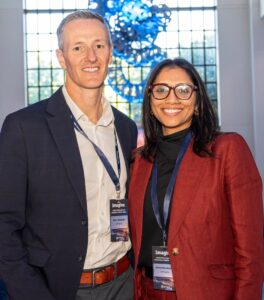
Amantha Naidoo, managing executive at NTT DATA South Africa, said organisations often speak about change management without doing enough to prepare employees for what change means in practice. She explained that NTT DATA’s own transformation gives the company an opportunity to learn from its experience and apply those lessons when helping clients change the way they work.
Naidoo stressed the importance of understanding how people respond to new technology and helping them adjust to new ways of working. Leaders need to take the human side of transformation seriously, including the uncertainty employees may feel as their roles change.
Training and opportunities to learn new skills should form part of the process from the beginning, rather than being considered only after new systems have been introduced.
Naidoo also raised the need to consider AI’s wider impact on South Africa. Beyond questions about trust, transparency and bias, businesses must think about employment, youth unemployment and how people can be prepared for changing workplace demands. She argued that responsible AI also means acting responsibly towards the country and its people, including finding ways to improve productivity while investing in employees’ skills.
Bill Wilson of NTT DATA UK highlighted another important part of the challenge – access to data. As businesses and governments work across different countries and systems, they need to understand where their data is stored, how it can be shared and which rules apply to it. Wilson said organisations would struggle to get the most out of AI if they did not understand their own data.
He identified better data sharing as an opportunity to improve services, particularly in government. When public institutions cannot easily share information, it can slow down services and make it harder for officials to do their jobs.
 Wilson said AI could help government employees gather information, organise evidence and process cases more quickly. However, he stressed that people should remain involved in decisions that have serious consequences for others. “If AI can speed those things up without taking humans out of the loop, that’s gonna be critical,” he said.
His point was that AI could help improve services without taking away the human judgment needed in important decisions. Used carefully, it could reduce delays and help people receive essential services sooner.
These conversations connect with a wider question about the role AI can play in South Africa’s development. New technology may create opportunities for businesses, but its value should also be measured by how it affects people and communities.
This is where NTT DATA’s collaboration with the South African AI Awards adds another dimension to the discussion. NTT DATA is the title sponsor of the inaugural Awards, which recognise AI projects making a measurable difference under the theme “Inclusive Socio-Economic Prosperity”. The Awards also support Imagine 2026 by connecting the event’s focus on enterprise AI to a wider community of South African innovators. Mistral, one of Imagine 2026’s technology partners, will also play a role in the Awards.
The two initiatives focus on different but connected parts of the AI journey. Imagine 2026 looks at what businesses need to move from AI plans to practical use, while the Awards recognise South African innovation that is already showing what AI can achieve. Together, they create an opportunity to connect investment in AI with the need to deliver results that matter to businesses and society.
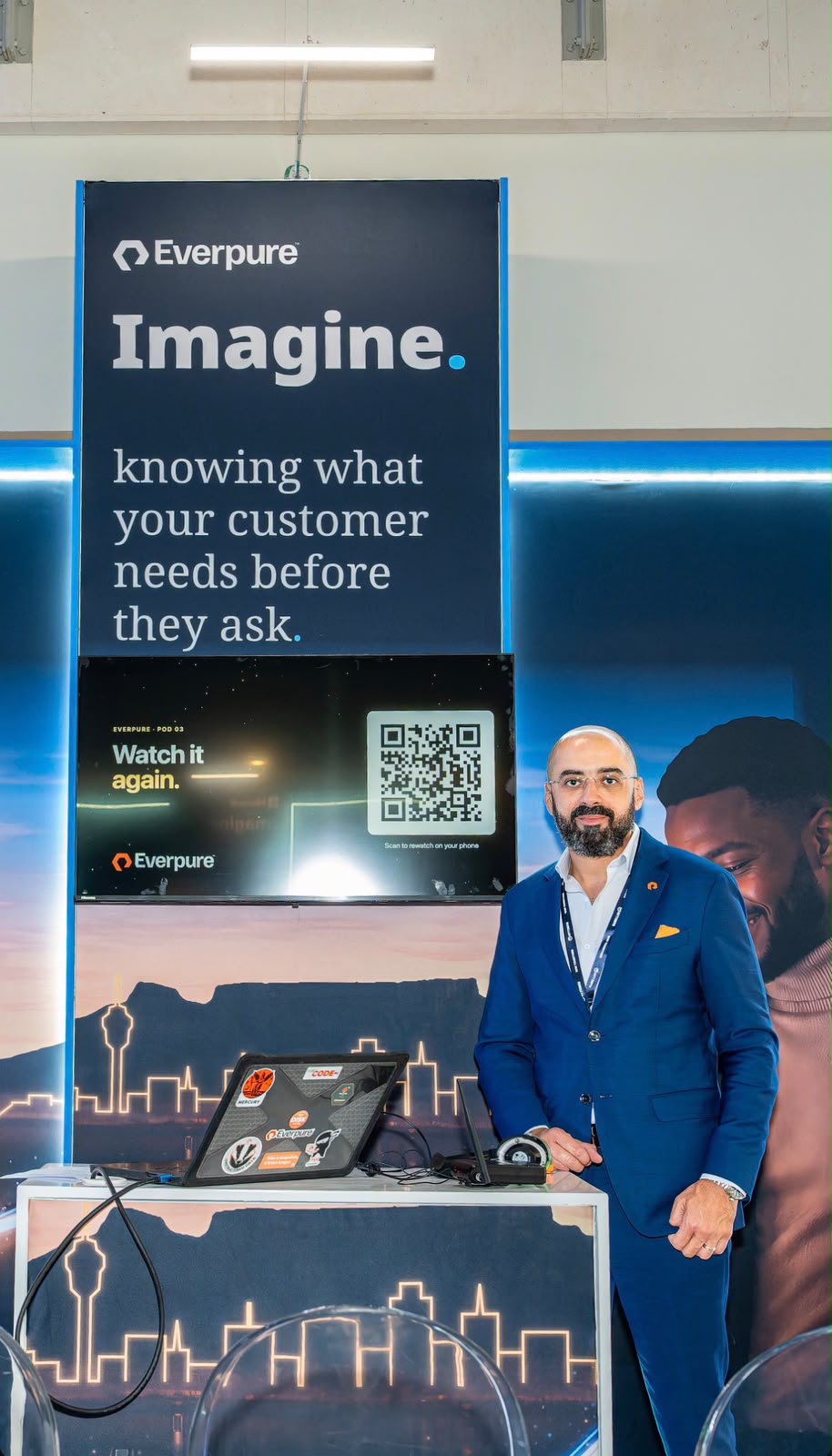
 At Imagine 2026, guests also explored practical AI applications through experience hubs featuring NTT DATA and its technology partners, Cisco, Everpure, Microsoft, Mistral and Nutanix. The demonstrations covered areas such as private AI, customer needs, human-AI collaboration and the systems needed to run AI across an organisation.
The discussions offered a clear reminder that adopting AI involves more than choosing a tool or model. Businesses need to understand their goals, prepare their data, protect sensitive information, and ensure their employees are ready for change.
For South African organisations, the next step is to move beyond experimentation and build AI systems that can deliver lasting value. As the collaboration between NTT DATA and the South African AI Awards shows, the bigger opportunity is not only to adopt AI, but to use it in ways that create meaningful results for businesses, employees and the wider community.