
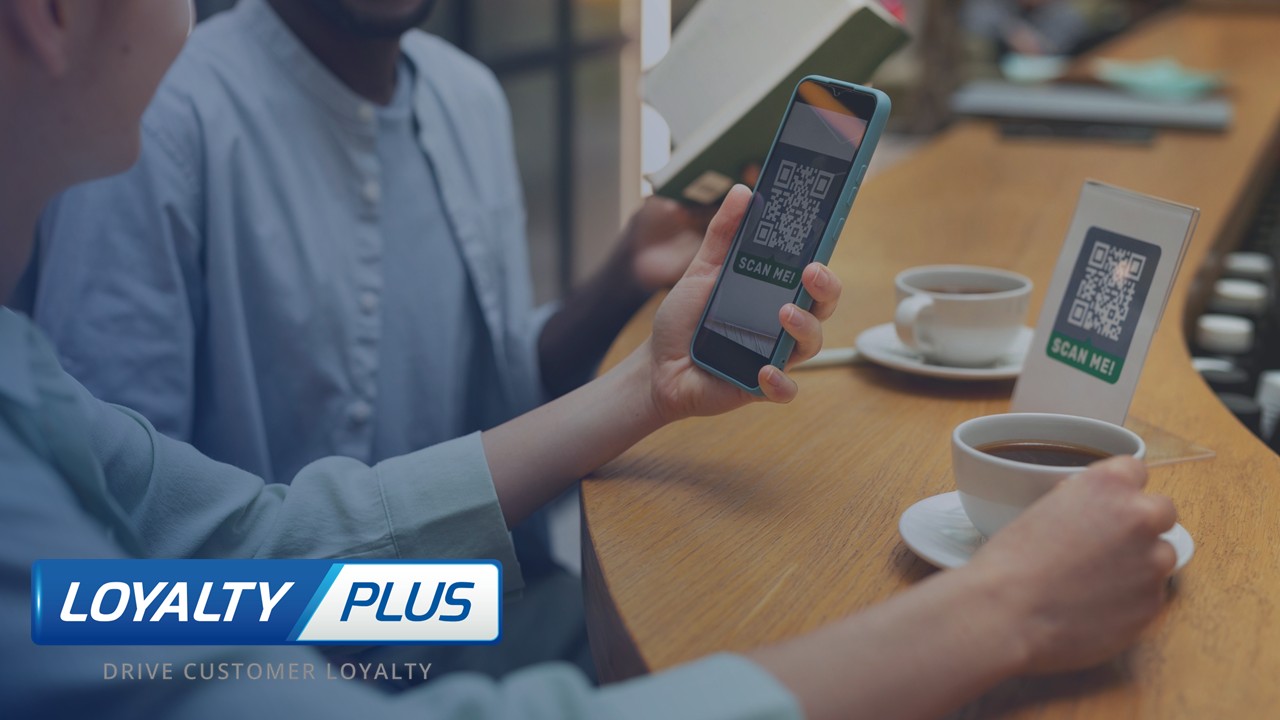
Loyalty programmes have become far more sophisticated in a relatively short time. Customers can join through mobile apps, carry rewards in digital wallets, receive personalised offers, and interact across several channels. Retailers have access to better analytics, more flexible rules, and increasingly capable AI.
However, none of that makes a loyalty programme better by default. Adding more technology does little if the programme is no better at keeping customers engaged or changing behaviour.
Make the programme feel useful
Customers increasingly expect loyalty offers to reflect how they actually shop and engage with a brand. They want a programme to recognise something about the relationship, whether that is what they buy, how often they return, or the kinds of benefits they tend to use.
Retailers must therefore do more than send the same promotion to everyone and think that counts as personalisation. The information already sitting inside the programme should help shape offers and experiences that make sense for the individual customer.
Mobile applications, digital wallets, payment integration, and gamification expand the ways customers can participate. Analytics and AI can sharpen segmentation and help identify offers that are more relevant to individual customers. The programme becomes more useful when what it offers reflects what the customer is actually doing.
The technology behind the experience
Much of the technology that enables this should remain largely invisible to the customer. A strong loyalty programme needs a Loyalty Management System at its core, supported by a central customer information environment, a capable rules engine, and an integration layer that moves transactions and information reliably across touchpoints.
Customers may experience the programme through a web portal, an app, a wallet, email, SMS, or WhatsApp. Behind those channels, the platform still has to recognise the customer and apply the correct rules, with each interaction processed consistently.
But that foundation must remain current. A platform that stands still can become harder to maintain and integrate, especially as the surrounding technology changes. Modern cloud platforms and tools also help businesses retain access to development skills available in the market and give the programme room to evolve.
Activity is not the same as change
Membership growth can be encouraging, but it tells only part of the story. Retailers also need to understand whether customers stay longer, return more frequently, spend differently, and engage more deeply with the programme.
Customer lifetime value gives a longer view of the relationship, while retention and churn show whether people are staying or drifting away. Average basket size and purchase frequency indicate whether buying behaviour is changing. Engagement provides another view of what customers are doing between transactions.
A programme may be growing its membership while retention weakens, or generating more engagement without changing purchasing behaviour. Looking at what is changing across the measures gives a more honest view of whether loyalty is creating value.
AI must earn its place
AI is expanding what loyalty programmes can do across customer service, offer management, analytics, and fraud detection. It can help service bots answer routine questions and support more relevant rewards. It can identify opportunities to cross-sell products suited to an individual customer, while analysis of enrolment, accrual, and redemption patterns can help flag activity that may indicate fraud.
AI can also identify trends in customer data and model how changes to offers or programme rules may affect performance. That gives loyalty teams a stronger basis for decisions before rolling out changes more widely.
But the customer experience remains the test. An AI agent that frustrates someone who simply wants help has not improved the programme. Neither has a personalised offer that arrives at the wrong moment or bears little relation to the customer. Good implementation means knowing where AI improves an interaction and where a person still needs to step in.
Thinking differently about progress
Loyalty programmes should be judged less by the length of the feature list and more by what changes as a result. A modern programme should recognise customers accurately, respond in ways that feel relevant, and give the business a clearer view of whether behaviour is changing.
The technology underneath should make that easier rather than add another layer of complexity. Loyalty technology will continue to evolve, but the real measure of progress is whether the customer experience improves and the business can see a stronger commercial result.

