
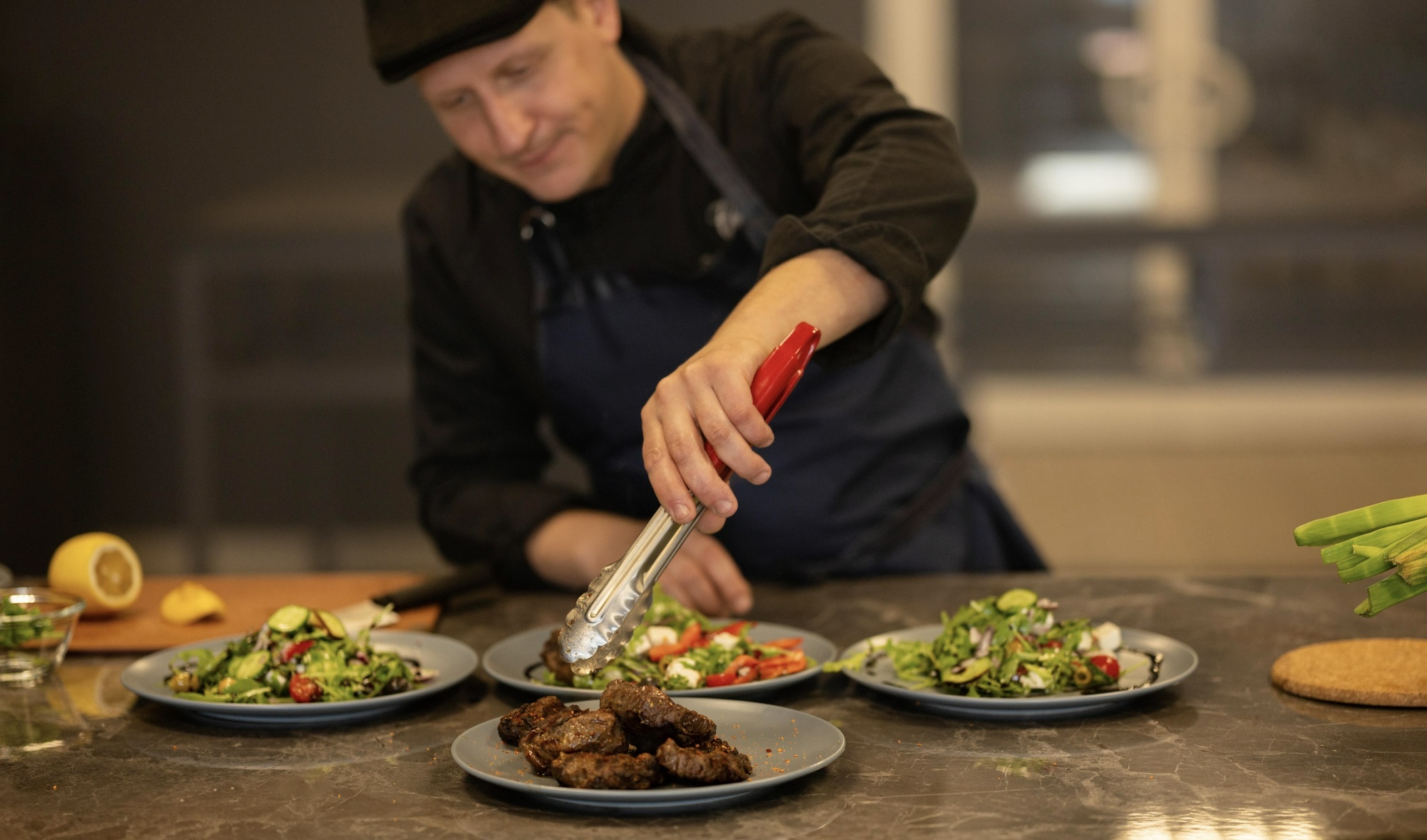
Commercial kitchens operate under constant pressure to deliver safe, consistent meals, but hospitality businesses are increasingly recognising that visible cleanliness alone does not guarantee effective hygiene.
For South Africa’s hospitality and food service industry, maintaining consistent hygiene standards is essential. Commercial kitchens must manage risks such as cross-contamination, food residue, inadequate sanitation practices and inconsistent cleaning routines – all of which can compromise food safety if not properly controlled.
“Commercial kitchens are complex environments, and maintaining hygiene requires more than occasional cleaning. A structured cleaning programme helps ensure that safety standards are consistently maintained, even during the busiest service periods,” says Jeffrey Madkins, Marketing Manager at Unilever Professional.
In this environment, cleaning consistently and correctly is recognised as the gold standard safeguard in food safety,” he continues. “While effective cleaning products play an important role, they deliver the greatest impact when supported by clear procedures, staff training and consistent cleaning schedules.”
Common hygiene mistakes in commercial kitchens often come down to inconsistency rather than a lack of effort. These can include rushing cleaning processes during peak service periods, failing to follow correct cleaning sequences, or relying on individual staff members to remember procedures. A documented hygiene programme helps create accountability and ensures standards are maintained across every shift.
Putting this into practice starts with understanding where contamination is most likely to occur. A raw meat preparation station, for example, requires different hygiene controls from a plating area or a dry storage room. From there, the focus shifts to creating clear, repeatable procedures that everyone can follow.
Whether through documented cleaning routines, staff training or visual cues such as colour-coded equipment, these measures reduce reliance on memory or individual judgement, helping to ensure the same standards are maintained regardless of who is on shift. “This becomes particularly valuable in busy operations or those with high staff turnover, where new employees need to understand expectations quickly, and experienced staff benefit from regular reinforcement of established practices,” notes Madkins.
The cleaning sequence is just as important as the products used. Food residue, grease and other organic matter should be removed before surfaces are sanitised, as they can reduce the effectiveness of the product. Equally, sanitising products need adequate time on a surface to be effective and achieve the manufacturer’s intended level of microbial control. Skipping or rushing these steps can compromise the entire process.
“The benefits of a cleaning schedule extend well beyond food safety. Standardised hygiene practices simplify training, support compliance, encourage the correct use of cleaning products, improve accountability and provide management confidence that essential tasks are being completed as intended,” explains Madkins. “Rather than relying on individuals to remember every step, businesses create an environment where good hygiene becomes part of the way the kitchen operates.”
South African hospitality and food businesses work within a regulatory environment that places strong emphasis on safe food handling and documented hygiene practices. Legislation such as the Foodstuffs, Cosmetics and Disinfectants Act, together with food safety management principles such as HACCP, requires businesses to identify hazards, implement appropriate controls, and demonstrate that those controls are being applied correctly.⁴ “That’s why defining those controls in advance removes guesswork and helps ensure that critical cleaning tasks are carried out consistently, even during the busiest services,”⁵ Madkins emphasises.
This includes maintaining clear records that can be verified during inspections or audits. In this environment, effective hygiene isn’t something that’s done only when time allows or in preparation for an inspection. It’s a habit built into every shift.
A cleaning product is an important tool, but a consistent hygiene system is what helps protect a business, its employees and every customer served,” concludes Madkins.
For more information on how Unilever products can complement your hygiene standards, visit https://www.unileverprofessional.co.za/.