South Africa continues to face persistent levels of residential crime, with SAPS recording 32,387 home burglary incidents between January and March 2026, an average of roughly 360 break-ins every day.
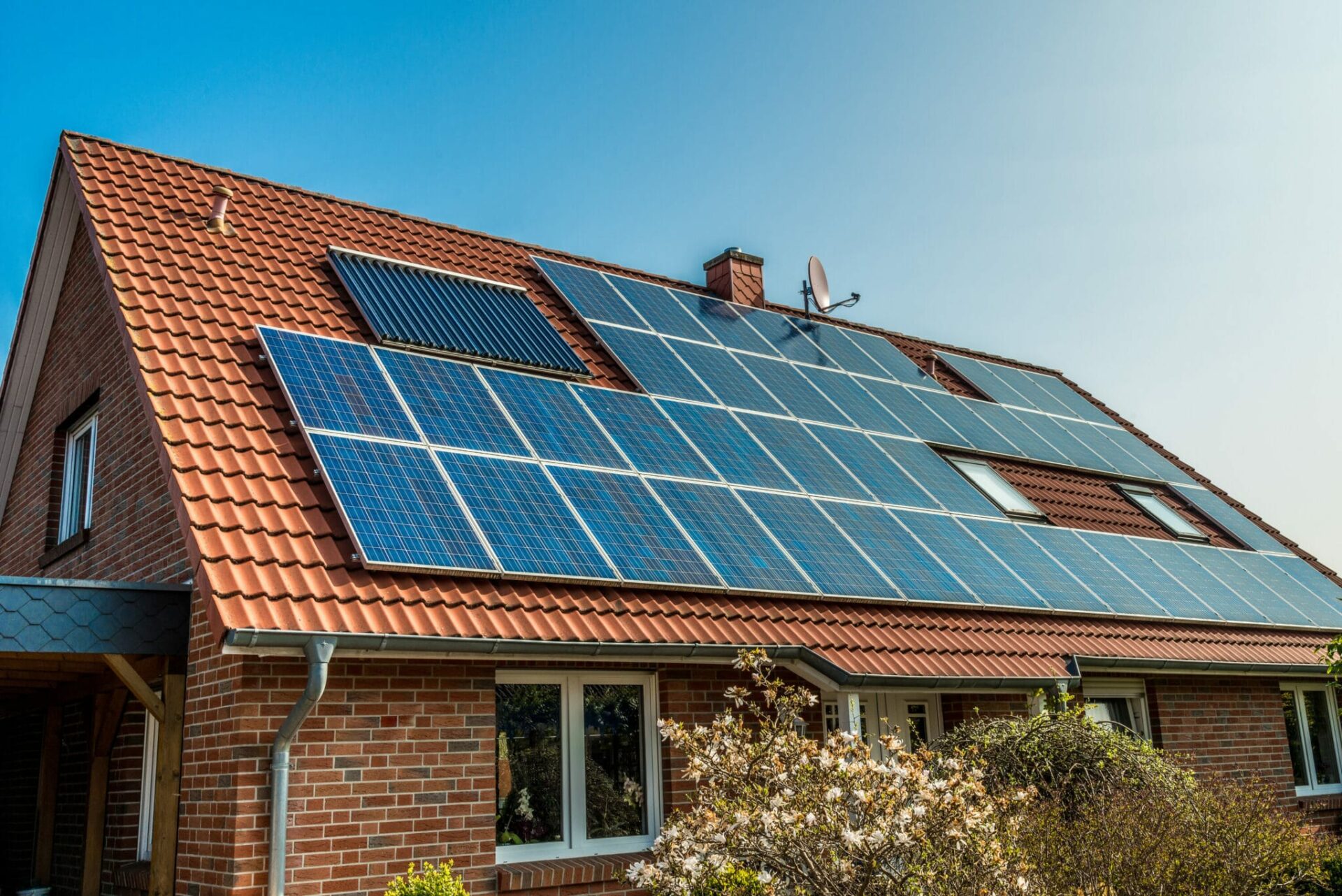
Against this backdrop, security experts warn that criminals are becoming increasingly calculated in their targeting patterns. Solar energy systems are now firmly in their sights, with lithium batteries and solar panels emerging as high-value targets due to strong resale demand and ease of circulation on the illicit market. As a result, homeowners and businesses are not only left with significant financial losses, but also face disruption to their backup power supply, a critical lifeline during periods of load shedding and outages.

Wynand van Vuuren, client experience partner at King Price Insurance, says that awareness and preventive strategies are crucial for protecting solar panels and shares several tips for homeowners to safeguard their valued assets.
Upgrade your perimeter security: One of the most effective deterrents against solar panel theft is proper security. Installing sturdy fencing or walls, electric fencing, beams, and motion-sensor lighting can make it much harder for thieves to access anything on your property. Motion-sensitive cameras are also a great option, as they can alert you in real-time if there is suspicious activity near your home.
Integrate your solar system into your home security setup: Solar panels and batteries should form part of your overall home security strategy rather than being treated as separate assets. Work with a reputable security company to integrate alarms, cameras, motion detection, and physical barriers into a layered security approach. Consider adding tamper sensors and real-time monitoring systems that can alert you or your security provider if there is any interference with your solar equipment.
Secure your tools: Do not give criminals easy access to the tools they need to steal from your solar panels. Lock away ladders, garden equipment, and any other items that could help them reach your rooftop installation.
Use anti-theft solar panel clamps and brackets: Ask the installer to use bolts and fasteners that are difficult to remove, thus making it harder for thieves to detach the panels from your roof.
Keep records of your solar equipment: Keep a record of serial numbers, installation certificates, and purchase documentation for your solar panels, batteries and inverters. This information can assist with insurance claims and may help authorities identify recovered equipment.
Insure your solar system correctly: “Even with the best security measures in place, it’s essential to make sure your solar installation is covered by insurance. The good news is that your losses are likely covered if your solar system is installed by a certified electrician who issues a certificate of compliance (COC) and you’ve insured it properly.”
When you install a solar system, it is critical to tell your insurer and provide the necessary documents, like the COC. You will also need to make sure that your buildings’ insured value is updated to include the system.
Solar panels and inverters can be covered under your building’s insurance if you own the property, or under home contents insurance if you are renting.
“Installing solar panels is a big investment, and it makes sense to protect them as much as possible. Taking steps to secure your panels and ensuring they are properly insured will give you peace of mind,” says Van Vuuren.