
In 2008, while the global financial system was busy setting itself on fire, Marc Wachsberger spotted an arbitrage opportunity hiding in plain sight. Hotel rooms in South Africa were expensive. Residential apartments were cheap, plentiful and often standing empty. The mergers-and-acquisitions specialist did what any good dealmaker would: he leased apartments, furnished them to hotel standard and let them out by the night, undercutting traditional hotels while offering guests more space than any of them could.
That insight became The Capital Hotels, Apartments & Resorts, and 18 years later the owner-managed, Proudly South African group has grown from two small leased properties in Sandton into one of the country’s fastest-growing hospitality companies, with a national portfolio spanning Johannesburg, Pretoria, Cape Town, Durban’s North Coast, Mbombela and Gqeberha.
“We started by renting apartments and sub-letting them nightly, in the same space Airbnb would later make famous,” says Wachsberger, the group’s founder and CEO. “The model worked because it was built on a simple truth: travellers want the service of a hotel and the freedom of a home. Most of the industry was offering one or the other. We offered both.”
Owning the apart-hotel category
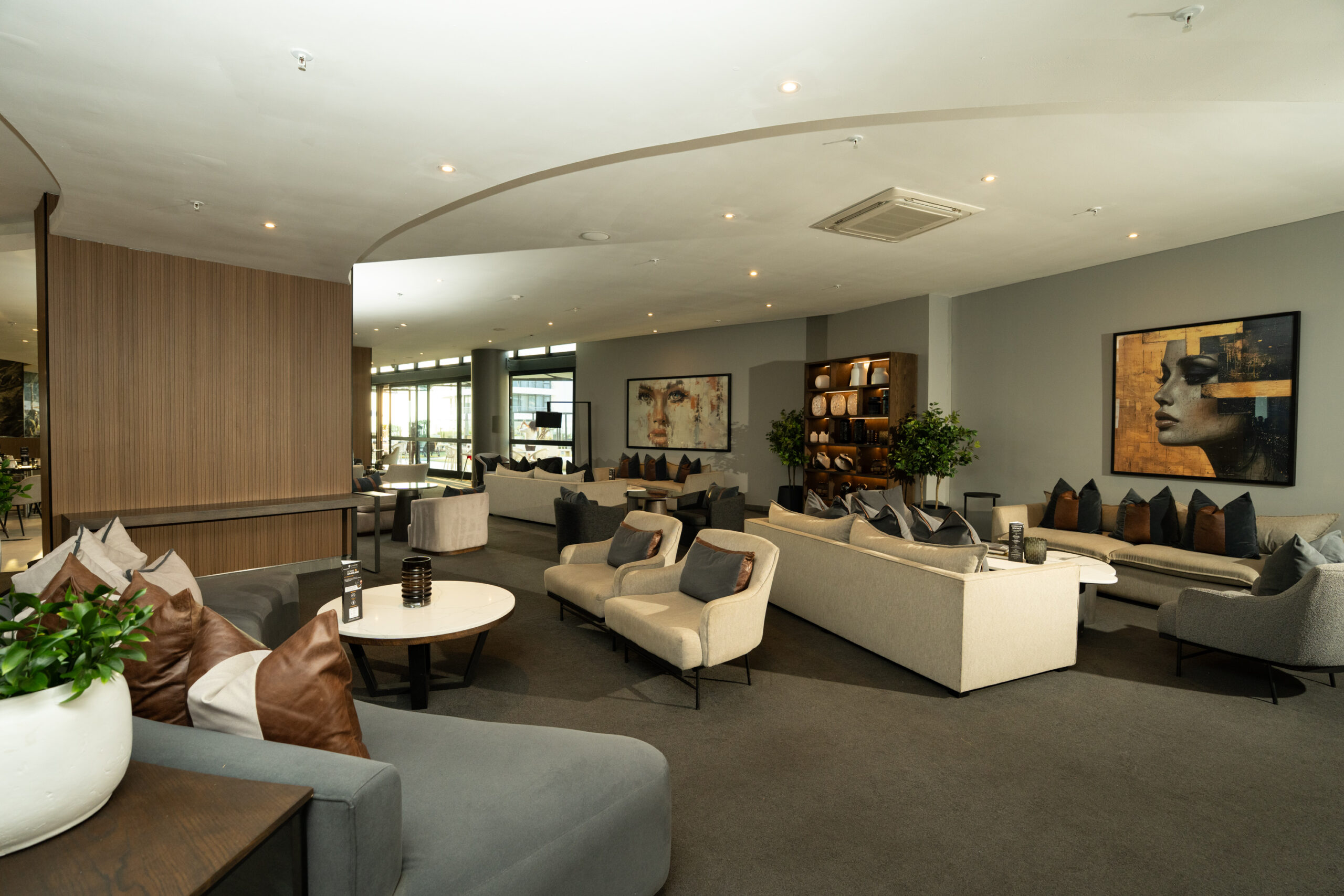
That hybrid model, now known as the apart-hotel, is the category The Capital has come to dominate in South Africa. Every property pairs classic hotel rooms with fully serviced apartments, complete with kitchens, lounges and the kind of square meterage that makes a two-week business trip or a family holiday feel civilised. Add conferencing facilities, uncapped Wi-Fi and full hotel service, and the proposition speaks equally to the consultant on a three-month project, the family on a coastal break and the conference organiser with 200 delegates to house.
Because the group is owner-managed, decisions that would take a listed multinational a year of committee meetings happen in weeks. That agility has become The Capital’s defining trait, and never more visibly than when crisis strikes.
Growing through the storms
The group was born in a global recession and has treated every downturn since as a buying opportunity. While much of the hospitality industry shuttered during the pandemic, The Capital kept the doors of all its hotels open and kept expanding.
Its boldest move came in 2021, when it acquired the iconic Fairmont Zimbali Resort on KwaZulu-Natal’s North Coast out of business rescue in a R240 million deal, retaining around 140 jobs and reopening the property as The Capital Zimbali Resort. The same year, the group reopened Cape Town’s landmark 15 On Orange under its brand, planting its flag in the Mother City’s hotel royalty.
Since then, the milestones have kept coming. The Capital Mbombela brought the group’s signature offering to Mpumalanga’s capital. The R270 million The Capital Boardwalk in Gqeberha, the city’s first apart-hotel, marked the group’s entry into the Eastern Cape. And in a deliberate inversion of industry logic, The Capital has pushed beyond the traditional metros into smaller cities and towns, betting that underserved markets reward the first mover who arrives with a quality product.
“Our expansion is a green light from the South African public,” says Wachsberger. “Every new property is an answer to demand that already exists. We go where travellers need us to be, whether that is the richest square mile in Africa or a city the big international brands have overlooked.”
Reinvesting in the portfolio
The growth story is matched by an equally aggressive programme of reinvestment in existing properties. In Umhlanga, where The Capital Pearls has run at occupancy levels around 90%, the group has extended its presence with Pearls Shore, the latest phase of the landmark Pearls of Umhlanga development. In Sandton, The Capital On The Park is undergoing a revamp, while the SEVEN Hotel, Villas & Spa has relaunched following a R18 million refurbishment that reimagined the boutique property from its villas to its restaurant, Textures.
At The Capital Zimbali, a significant investment has delivered The Grotto Wellness Spa, a destination spa that opened in November 2026 and positions the Ballito resort as one of the country’s premier wellness escapes.
“We don’t buy properties and let them coast,” says Wachsberger. “Every hotel in our portfolio is a living asset. If a property can be better, we make it better, because our guests notice and our investors see the returns.”
Where to from here
The ambition is unapologetic: to entrench The Capital’s position as South Africa’s leading apart-hotel and lifestyle hospitality group, with a footprint that matches the momentum of the country’s tourism recovery. The formula that got the group here remains unchanged. Spot the inefficiency. Move while others hesitate. Own the asset, manage it yourself and keep improving it.
It is a playbook written in 2008, in the middle of a crisis, by a dealmaker who saw opportunity where the rest of the market saw risk. Eighteen years on, it is still paying out.
For more information, visit thecapital.co.za.

